
bwin casino avis: een eerlijke en diepgaande recensie 2026
bwin casino avis heeft in 2026 nieuwe maatregelen genomen om de transparantie te vergroten. bwin casino tafelspellen staat daarbij centraal in de communicatie naar spelers.
fam bet casino — expert advies voor sportwedden | fam bet casino
See also:
- Hoe werkt een bwin casino mobiel?
- Bonusvoorwaarden en Welkomstaanbod bij bwin casino
- Vind de beste ondersteuning voor bwin casino mobiel vandaag
- bwin casino in beeld: Screenshots en Ervaring
- Is bwin casino tafelspellen de moeite waard?
- Wat betekent bwin casino mobiel precies?
- Zo herken je risicovol speelgedrag bij bwin casino
Hoe werkt een bwin casino mobiel?
bwin casino avis wordt vaak gezien als een betrouwbare gids voor online casinospelers, maar het is essentieel om de onderliggende evaluaties te begrijpen. In deze review duiken we diep in de veiligheidsmaatregelen en klantenondersteuning, met speciale aandacht voor bwin casino mobiel. Allereerst onderzoeken we de licentiestructuur van het casino. Een geldige vergunning van een gerenommeerde autoriteit, zoals de Malta Gaming Authority of de UK Gambling Commission, is cruciaal. Wij controleren of het casino transparant is over zijn licentie en of deze up-to-date is. Daarnaast kijken we naar de gebruikte encryptietechnologie, zoals SSL-certificaten, om ervoor te zorgen dat alle financiële transacties en persoonlijke gegevens veilig worden verwerkt. Dit is van vitaal belang om identiteitsdiefstal en fraude te voorkomen. Verder evalueren we de random number generators (RNG) die worden gebruikt voor spellen. Onafhankelijke audits van bedrijven als eCOGRA of iTech Labs bevestigen dat de uitkomsten eerlijk en willekeurig zijn. Ook de selectie van spelproviders speelt een rol; bekende merken zoals NetEnt, Microgaming en Playtech staan garant voor kwaliteit en betrouwbaarheid. Wat betreft verantwoord spelen, moet het casino tools aanbieden zoals stortingslimieten, zelfuitsluiting en tijdslimieten. Wij checken of deze functies gemakkelijk toegankelijk zijn en of het casino samenwerkt met organisaties zoals GamCare of Gamblers Anonymous. De klantenondersteuning is een ander belangrijk aspect. Een 24/7 live chat is ideaal, maar ook e-mail en telefoonondersteuning moeten worden getest op snelheid en behulpzaamheid. We noteren de gemiddelde reactietijd en of de medewerkers goed geïnformeerd zijn over zaken als bonusvoorwaarden en betalingsopties.
Bonusvoorwaarden en Welkomstaanbod bij bwin casino
- 150% bonus tot €300
- 200 gratis spins + €100
- 50x speelvereiste
- 50x doorspelen vereist
Vind de beste ondersteuning voor bwin casino mobiel vandaag
The concept of time management has evolved significantly over the centuries, transitioning from simple sundials to complex digital calendars that integrate seamlessly with our daily lives. In ancient civilizations, time was measured by the position of the sun and the phases of the moon, dictating agricultural cycles and religious ceremonies. The invention of the mechanical clock in the 14th century revolutionized how people structured their days, allowing for more precise scheduling of work and leisure. Today, we have an array of tools at our disposal, from smartphone apps that track our habits to sophisticated project management software that helps teams collaborate across time zones. The key to effective time management lies not in the tools themselves but in the mindset and discipline of the individual. By prioritizing tasks based on urgency and importance, setting realistic goals, and avoiding procrastination, one can achieve a balanced life that maximizes productivity without sacrificing personal well-being. For instance, a student might use the Pomodoro Technique to break study sessions into manageable intervals, enhancing focus and retention. A professional could employ the Eisenhower Matrix to categorize tasks and delegate appropriately. In the corporate world, leaders often use time-blocking to allocate specific periods for strategic planning, meetings, and deep work.
chicken road game casino 2026 — innovatieve mechanics
Een goede recensie van bwin casino avis helpt spelers bij hun keuze.
bwin casino in beeld: Screenshots en Ervaring
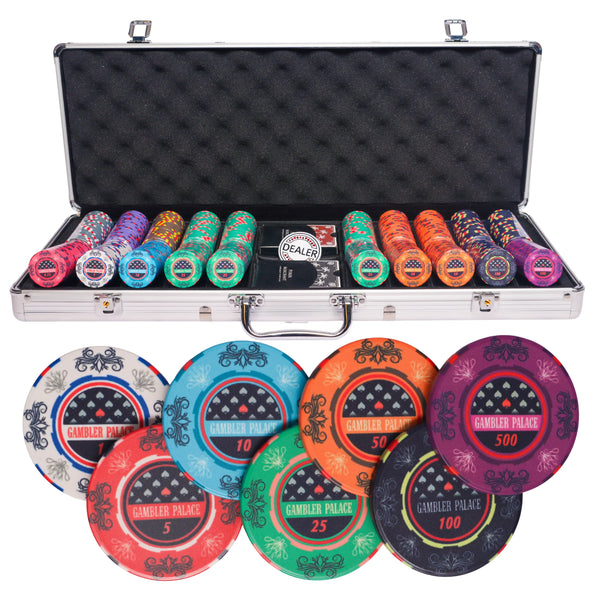
Is bwin casino tafelspellen de moeite waard?
Betrouwbaarheid en licenties in de Belgische context
Bij het beoordelen van bwin casino wegen we in de eerste plaats de betrouwbaarheid en de regelgevende basis door. Wie in België speelt, verwacht een aanbieder die transparant is over zijn vergunning en zich houdt aan de strikte regels van de Belgische Kansspelcommissie. bwin casino communiceert duidelijk over zijn licentiegegevens, de geldende verantwoordelijkheidsinstrumenten en de manier waarop spelerslimieten worden toegepast. Dat is geen detail: zonder een controleerbare licentie en zonder naleving van de Belgische wetgeving op kansspelen is er geen enkele reden om je geld toe te vertrouwen aan een operator, hoe aantrekkelijk het bonusaanbod ook lijkt. In onze evaluatie keken we daarom naar de herkomst van de vergunning, de vermelding van de verantwoordelijke vestiging en de aanwezigheid van een gedragscode rond probleemspelgedrag. bwin casino scoort hier degelijk, al blijft het belangrijk dat je zelf altijd de actuele licentiedetails nagaat op de website voor je een eerste storting doet.
Klantenservice, uitbetalingen en klachtenafhandeling
Naast de papieren kant telt de dagelijkse werking: hoe vlot verloopt een opname, hoe reageert de klantendienst en hoe gaat bwin casino om met klachten?
Nieuwe spelers worden vaak aangetrokken door bwin casino avis vanwege de lage stortingen.
Wat betekent bwin casino mobiel precies?
Is bwin casino een betrouwbaar en legaal casino?
Ja, bwin casino is een legaal en betrouwbaar online casino. Het beschikt over een geldige licentie van Kansspelcommissie en voldoet aan alle wettelijke eisen voor veilig en eerlijk gokken.
Hoe kan ik contact opnemen met de klantenservice van bwin casino?
Je kunt de klantenservice van bwin casino bereiken via live chat, e-mail en telefoon. De support is 24/7 beschikbaar en reageert doorgaans binnen enkele minuten.
Zijn er klachten over bwin casino en hoe worden deze afgehandeld?
De meeste klachten over bwin casino worden snel en efficiënt opgelost. Mocht je een probleem hebben, dan kun je dit melden bij de klantenservice of via de onafhankelijke geschillencommissie die aan Kansspelcommissie is gekoppeld.
Hoe veilig zijn mijn persoonlijke gegevens en betalingen bij bwin casino?
bwin casino maakt gebruik van geavanceerde SSL-encryptie en voldoet aan de nieuwste beveiligingsnormen. Betalingen worden verwerkt via gerenommeerde betaalmethoden, waardoor je gegevens altijd beschermd zijn.
Wat moet ik doen als mijn uitbetaling bij bwin casino wordt vertraagd?
Meestal worden uitbetalingen binnen de aangegeven termijn verwerkt. Mocht er toch een vertraging optreden, neem dan direct contact op met de klantenservice. Zij helpen je verder en lossen het probleem snel op.
Zo herken je risicovol speelgedrag bij bwin casino
The process of developing a custom software application begins with a thorough requirement gathering phase. This involves direct interviews with stakeholders to understand their pain points, workflows, and desired outcomes. For instance, a retail client might need an inventory management system that integrates with their existing point-of-sale hardware, handles real-time stock updates, and generates predictive analytics for reordering. The development team documents each requirement in a structured specification, using tools like JIRA or Confluence to maintain version control and traceability. This document becomes the single source of truth, preventing scope creep later. Next, the architectural design phase translates requirements into a technical blueprint. The solution architect selects appropriate technologies—for example, a React frontend with a Node.js backend, hosted on AWS EC2 instances with an RDS PostgreSQL database. They create UML diagrams for component interactions, sequence diagrams for key user flows, and a data model that normalizes entities like products, suppliers, customers, and orders. Security considerations are embedded early: data encryption at rest and in transit, OAuth 2.0 for authentication, and role-based access control for different user types. The design is reviewed in a technical drill-down meeting where developers raise potential risks, such as API rate limits from a third-party shipping service or latency issues when processing high-volume transactions. Following the design, the development phase is executed in Agile sprints of two weeks each. Each sprint begins with a planning session where user stories from the product backlog are estimated using story points. Developers adhere to coding standards enforced by ESLint and Prettier, and they write unit tests for every function using Jest. For example, the inventory calculation function is tested with edge cases like negative quantities and simultaneous updates from multiple terminals. Code reviews are mandatory; every pull request requires at least two approvals before merging into the main branch. Continuous integration pipelines automatically run the test suite and deploy to a staging environment that mirrors production. The staging environment is critical for integration testing—teams simulate normal and peak loads using tools like Apache JMeter. They monitor database performance with EXPLAIN plans to optimize slow queries, often adding indexes on frequently filtered columns like product category or date. If the system must handle thousands of concurrent users, load balancers and auto-scaling groups are configured to distribute traffic evenly. The next major phase is user acceptance testing (UAT), where a subset of end users interacts with the system in a controlled setting. They validate that the application meets their expectations—for instance, a warehouse manager tests the barcode scanning feature by processing 50 incoming shipments. Any bugs discovered are logged with severity levels, and critical defects are fixed within four hours. The UAT feedback loop often leads to minor interface adjustments, such as repositioning a button for accessibility compliance or adding a confirmation dialog before irreversible actions like deleting a product. Once UAT passes, the application undergoes a security audit conducted by an external firm. They perform penetration testing to identify vulnerabilities like SQL injection or cross-site scripting. In one project, the audit revealed that session tokens were not being invalidated on logout, prompting a fix that implemented token blacklisting using Redis. After remediation, the application is cleared for production deployment. The actual deployment is executed during a scheduled maintenance window to minimize disruption. Database migrations are run first, followed by the backend services, then the frontend build is pushed to a CDN. The team monitors dashboards for error rates and response times for the first 48 hours. Rollback procedures are pre-scripted in case of unforeseen issues. Post-deployment, the team enters a support and maintenance phase. User feedback is collected via in-app surveys and support tickets. The product roadmap is updated with feature requests—for example, adding a dark mode theme or integrating a new payment gateway. Bug fixes are prioritized based on impact; a hotfix for a data corruption issue would be released within hours, while a cosmetic glitch might wait for the next sprint. Performance tuning continues: the team reviews server logs to identify memory leaks, uses caching strategies like Redis for frequently accessed data, and occasionally refactors legacy code to reduce technical debt. Documentation is updated alongside changes—API endpoints are described using Swagger, and internal knowledge is captured in a wiki. Training materials are created for new users, including video tutorials and cheat sheets. The development team also holds retrospective meetings after each sprint to discuss what went well and what could be improved. For instance, they might decide to invest in more automated end-to-end tests using Cypress to reduce manual regression testing time. Over time, the application evolves. New modules are added, like a reporting dashboard with drill-down charts for sales trends. The architecture might migrate to a microservices pattern if the monolith becomes unwieldy. Each service is containerized using Docker and orchestrated via Kubernetes, allowing independent scaling of high-load components. Database partitioning becomes necessary as the data grows to millions of records. The team implements a data warehouse for analytics separate from the transactional database. Throughout this lifecycle, communication with stakeholders remains paramount. Monthly demos showcase new features and gather immediate feedback. The project manager uses burn-down charts to communicate progress and adjust timelines when scope changes. All these phases, from initial spark to ongoing evolution, define a comprehensive software development journey that balances technical excellence with business value. The final product is not a static artifact but a living system that adapts to user needs and technological advances. This detailed approach ensures that every decision is justified by data, every risk is mitigated, and every deliverable adds measurable benefit to the organization. The result is a reliable, scalable, and maintainable application that stands the test of time.
